
 7406990077
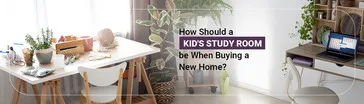
Buying a new home is rarely a purely financial decision. For most Indian families, it is tied to long-term thinking, children’s education, daily routines, and future stability. Every part of the home matters, from the kitchen to the bedrooms, but one space that is increasingly influencing buying decisions is the kid’s study room. As children spend more time studying, reading, and learning at home, parents are beginning to look beyond basic floor plans. A thoughtfully designed study room is no longer an optional extra. It has become an important part of a home that supports focus, discipline, and a child’s overall development.
So, when buying a new home, what should a kid’s study room ideally offer?
Where Should a Kid’s Study Room Be Located?
The location of a study room within the home plays a bigger role than most people realise. A study space works best when it is positioned away from constant movement and noise. Rooms close to televisions, main living areas, or entryways tend to invite distractions. A quieter corner of the house helps children concentrate better and stay engaged for longer periods. The goal is not isolation, but a calm environment where interruptions are limited.When evaluating a new home, parents should observe whether the layout naturally allows for such a quiet study space.
Why Natural Light Matters in a Study Room
Lighting directly affects a child’s ability to focus. A study room that receives ample natural light feels more open and positive, reducing eye strain and mental fatigue.Homes where study spaces are placed near windows or balconies tend to offer better learning environments. Natural light keeps children alert and supports longer study hours without discomfort. Artificial lighting should complement daylight, especially for evening study sessions.A well-lit room often makes studying feel less like a task and more like a routine part of the day.
Choosing the Right Furniture for a Kid’s Study Room
Furniture should support both comfort and growth. A kid’s study room needs practical, durable furniture that can adapt as the child grows older.A well-sized desk, an ergonomic chair and easy-to-reach storage are essential. Furniture that is too bulky or fixed can restrict movement and flexibility. Parents should look for layouts that allow furniture to be rearranged over time as academic needs change.Comfortable furniture encourages better posture and longer attention spans.
What Colours Work Best in a Kid’s Study Room?
Colour choices influence mood and concentration. While bright colours may appear playful, they can be distracting in a study setting.
Soft, neutral tones such as light blues, greens, pastels, or warm neutrals are easier on the eyes and help create a calm atmosphere. The room should feel pleasant but not overwhelming. Small touches of colour through decor, artwork, or stationery can add personality without affecting focus.
A balanced colour palette helps children stay relaxed and attentive.
Organisation: The Key to Better Focus
An organised study room naturally supports discipline and structure. Storage plays a critical role in keeping distractions at bay.
Built-in shelves, drawers, baskets and designated storage areas help children keep books and supplies in order. When everything has a place, children spend less time searching and more time studying.
An organised space also teaches responsibility and routine, habits that extend beyond academics.
Should a Study Room Also Have Fun Elements?
Yes, but in moderation. A study room should feel inviting, not strict or intimidating.A small reading corner, a pinboard for reminders, or space for creative activities can make the room more engaging. Children are more likely to spend time in spaces that feel welcoming.The right balance between discipline and comfort helps children associate learning with positivity rather than pressure.
Why Home Design Matters More Than Ever
Post-pandemic, families have become more aware of how home environments affect learning. Parents are now actively seeking homes that naturally support education rather than forcing adjustments later.
This shift has made thoughtful design an important factor when choosing a new home, especially for families with school-going children.
How Smartworld Developers Designs Homes for Modern Families
Smartworld Developers understands that modern homes must support evolving family needs. In projects like Smartworld Orchard and Smartworld Gems, layouts are planned with practical living in mind.Children’s spaces are designed to feel integrated into the home rather than treated as leftover areas. Study zones are planned to offer comfort, light and functionality, supporting both learning and creativity.By combining research-backed planning with modern design principles, Smartworld Developers creates homes where children can focus, grow and thrive naturally.
Final Thought: A Study Room That Supports the Future
A kid’s study room is more than a table and chair. It is where habits form, confidence builds and curiosity grows. When buying a new home, paying attention to how this space is designed can have a lasting impact on a child’s daily life.
Homes that thoughtfully include study areas reflect a deeper understanding of family living. And when a home supports learning effortlessly, it becomes more than a place to stay. It becomes a foundation for the future.